

Teff, fonio, and sorghum, but also spirulina and kelp. On a planet facing complex climate challenges, rediscovering extremophile grains and turning to the sea could offer a solution. One worth embracing, especially considering the remarkable nutritional properties of these valuable raw materials.
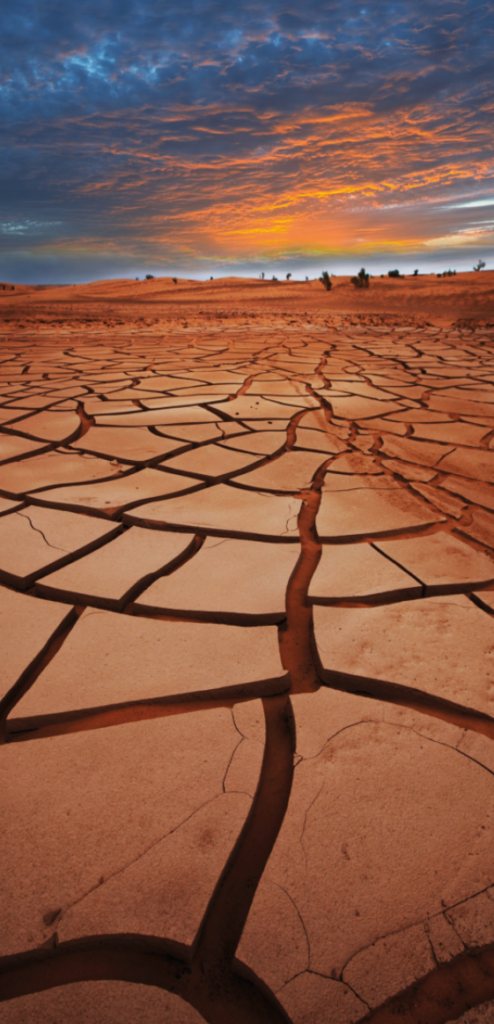
Climate change is rewriting the rules of global agriculture. Desertification, water scarcity, and rising temperatures are transforming vast fertile areas into lands hostile to cultivation. In this context, resilient raw materials represent a promising solution: crops capable of thriving in extreme conditions, providing nourishment and new economic opportunities. For international markets, particularly in the Middle East, these crops could redefine the future of agriculture and food security.
The resilience of grains
According to United Nations data, over 40% of the Earth’s land is already degraded, significantly impacting food production. Increasing pressure on freshwater resources and the need to adapt to unpredictable climates make finding innovative solutions urgent.
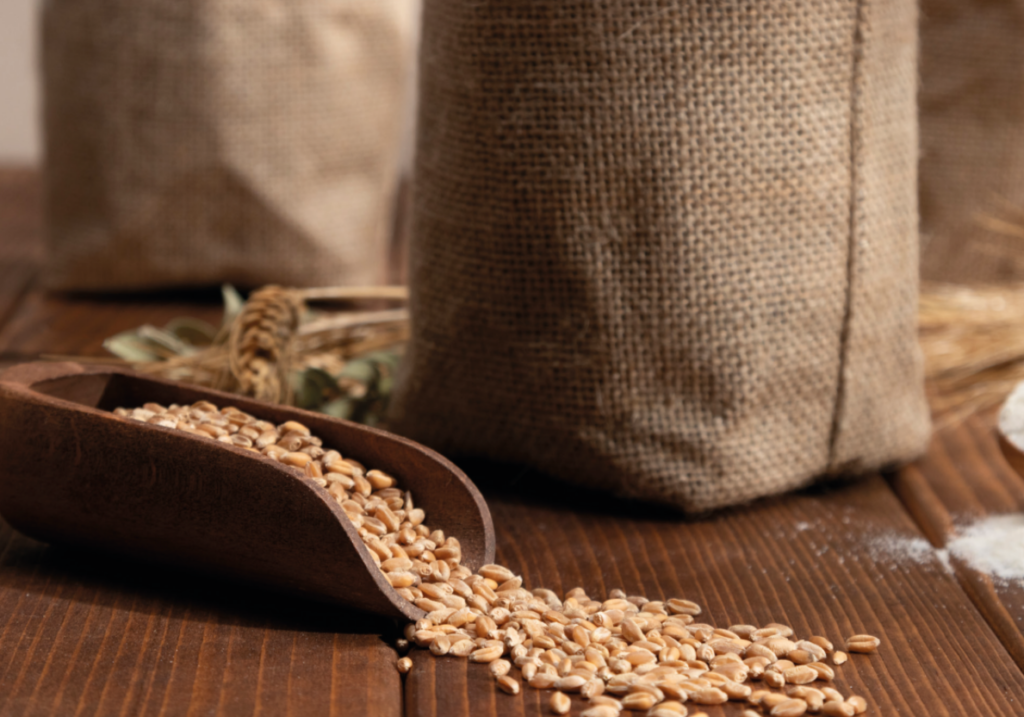
Resilient crops such as teff, a nutrient-rich cereal native to Ethiopia; sorghum, an extremely versatile and drought-resistant plant; and fonio, an ancient grain from West Africa, are considered extremophile raw materials. Their ability to thrive in adverse climatic conditions makes them particularly suitable for arid soils and challenging environments.
These plants, already cultivated in arid regions, are being adapted to new contexts thanks to advanced agricultural techniques and scientific attention. For instance, drip irrigation, which minimizes water consumption, is now widely used for farming in dry areas. Another promising technique involves the use of biodegradable bioplastics for mulching, which helps retain soil moisture and reduce evaporation.
Super grains and reimagined traditional crops
Among the most promising crops are the so-called super grains. Let’s delve into their nature and undeniable potential.
Teff (*Eragrostis tef*), a cereal native to Ethiopia, is rich in protein, calcium, and iron, and naturally gluten-free. Drought-resistant, it requires minimal water to grow, making it ideal for arid lands.
Similarly, sorghum (*Sorghum bicolor*), one of the world’s oldest cereals, is highly versatile: it can be processed into flour, fermented beverages, or used as animal feed.
Another fascinating crop is fonio (*Digitaria exilis*), widely used in West Africa. This ancient grain grows quickly and has deep roots in the history of West African communities, which used it to prepare traditional dishes like fonio couscous. It was considered a staple food during droughts due to its resilience to harsh climatic conditions and its ability to grow rapidly even in poor soils. Easy to cultivate, fonio requires minimal water and is highly nutritious.
Thanks to these traits, super grains not only address climate challenges but are also gaining popularity in international markets, becoming trendy ingredients in high-end food products.

Marine crops: a “submerged” resource
Beyond the land, the sea offers intriguing solutions, where extremophile raw materials thrive in challenging environments such as alkaline ponds and marine forests.
Algae, such as spirulina—cultivated mainly in alkaline ponds and lakes in tropical and subtropical regions—and kelp, which grows abundantly in temperate coastal marine forests, are extraordinarily versatile crops. Not only are they rich in proteins, vitamins, and minerals, but their cultivation requires minimal freshwater and is highly sustainable. In some coastal desert regions, hydroponic systems are enabling large-scale algae farming, transforming them into key ingredients for dietary supplements, functional beverages, and even snacks. These are not second-tier ingredients.
Spirulina, for instance, is rich in protein (about 60-70% of its dry weight), B vitamins, and minerals like iron and magnesium. Kelp, on the other hand, is an excellent source of iodine and contains natural antioxidants. Cultivating them not only provides high-value nutritional foods but also contributes to environmental sustainability by reducing the water footprint and sequestering CO₂, thereby mitigating climate change effects.
Innovations in action
Some Middle Eastern countries are already investing in pioneering projects to adapt crops to extreme conditions. In Saudi Arabia, for example, quinoa cultivation is being tested in desert soils using advanced irrigation technologies. In the United Arab Emirates, innovative startups are developing hydroponic systems for resilient crops like sorghum and barley, intended for both human and animal consumption.
These projects not only demonstrate the feasibility of farming in challenging climates but also represent a significant economic opportunity. Investments in advanced agricultural technologies are set to create new supply chains and jobs, strengthening local economies.
Opportunities for the food & beverage market
Resilient raw materials are not just a response to climate challenges; they also represent an opportunity for the food & beverage sector. Their versatility and nutritional profiles make them ideal for premium products targeting consumers who value quality and sustainability.
Markets like Dubai and the Middle East, increasingly oriented toward food innovation, stand to benefit from these raw materials, both for domestic consumption and export.
In a short span, resilient raw materials are transforming agriculture, offering concrete solutions to global problems like desertification and water scarcity. Crops such as teff, sorghum, and algae are not only tools to address climate challenges but also a bridge to a more sustainable and inclusive food future. With the adoption of innovative technologies and targeted investments, the desert could become a fertile ground for cultivating the food of tomorrow.
