
Saverio rubino did not enter the world of wine driven by a commercial plan, but by a deeply personal urge following the loss of his mother, santa rita. Thus, in grisì, a small village near palermo, la maestra was born: a unique wine, produced in just two vintages, which holds a personal story rather than chasing a market.
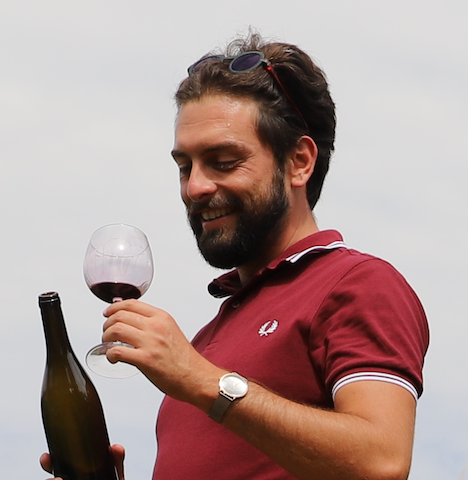
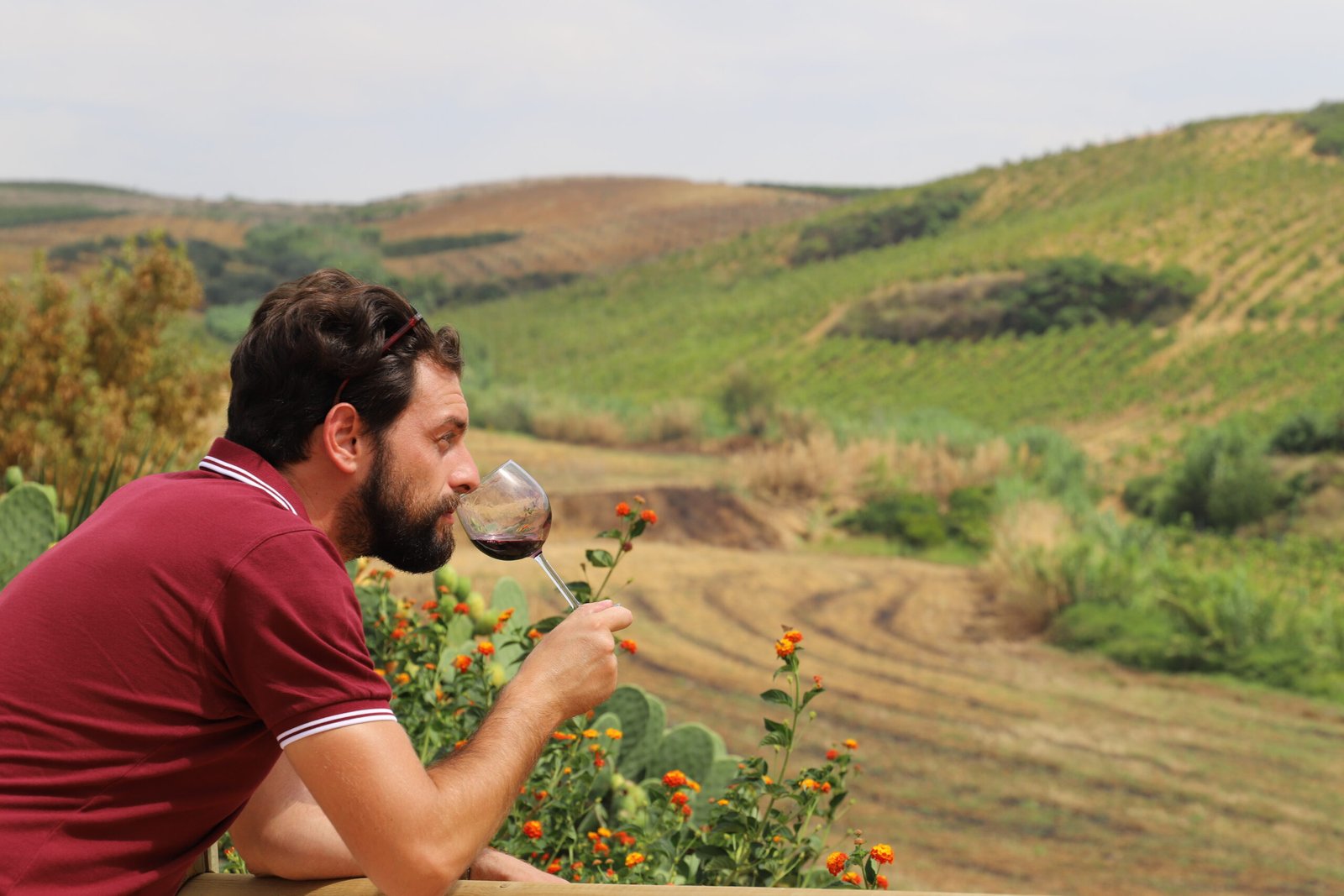
“i couldn’t help it,” rubino explains. “it wasn’t a calculation, it was a calling. I felt i had to return to the land to give something back, and that gesture of return tasted like wine.”
La maestra, a deep red made from cabernet sauvignon, merlot, and nero d’avola, carries in its name—and in its price of 1,949 euros—a tribute to the year of his mother’s birth. “a wine born from loss, not from market analysis. Inside it there’s discipline, slowness, education—values embodied by my mother: a teacher in both school and life.”
Rubino stopped production after two vintages because he had said all he needed to say. “i don’t want la maestra to become a repeatable label. That would be a betrayal. It’s a rare wine not because there’s little of it, but because it is true—and truth cannot be mass-produced.”
Grisì is the beating heart of the project: “a stern mother who gives nothing for free but returns everything if listened to.

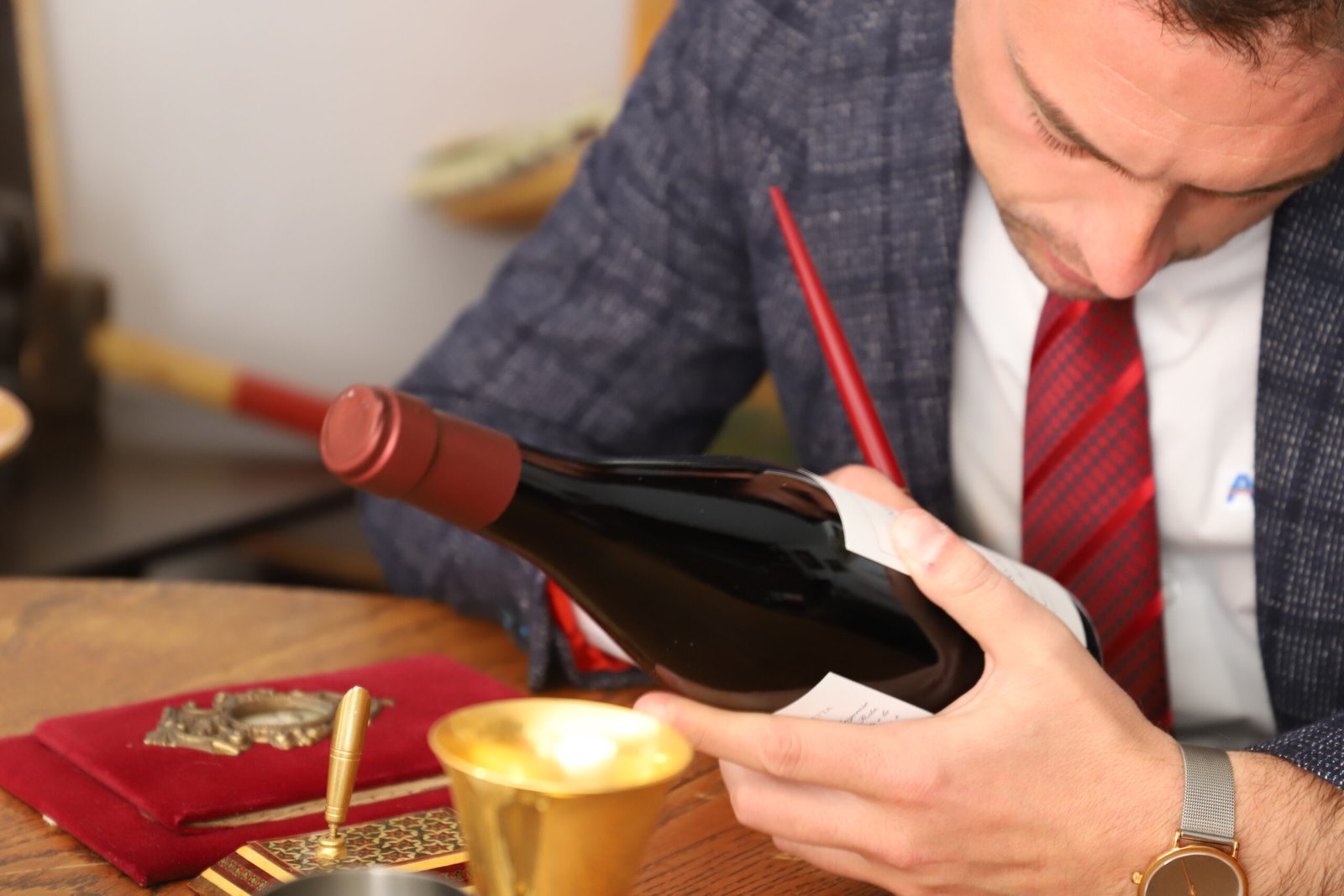
My great-grandfather chose this land when no one else wanted it. My grandfather turned it into a must capital. Grisì is the only place this wine could have been born.”
Saverio holds a radical vision of winemaking: no routine, no automation. “each harvest is a question, each bottle an answer. If the land doesn’t speak, i remain silent. If the grapes don’t call, i don’t respond. The wine must come on its own.”

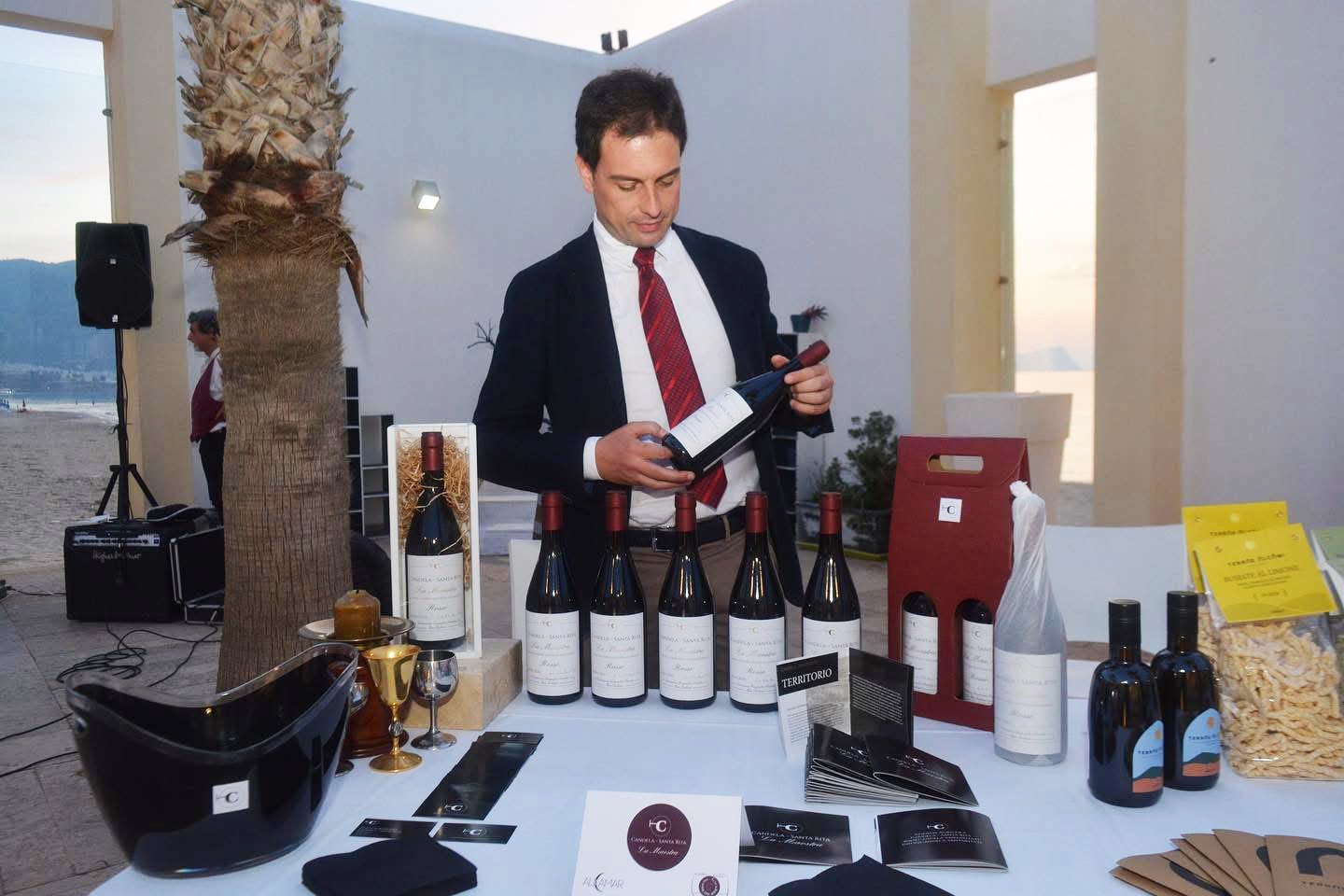
His decision to sell most of the land was not a failure but an act of respect. “i couldn’t care for it the way it deserved. I let it go, but what matters remains: the name, the gesture, the meaning. Candela—santa rita is not a company today; it’s a vision.”
In response to the provocation of an international expert who deemed sicily unsuitable for great wines, rubino replies firmly: “sicily is not a limitation; it’s a boundary worth defending. Here, wine is born from struggle and silence. It has a soul that has been lost elsewhere. Value isn’t measured in prestigious hectares but in truth poured into the glass.”
Today, saverio rubino chooses silence, because “those who live the depth of wine know that some things cannot be touched by words or poisoned smiles. In silence lies all of my voice.”